#Causal Inference
Collection of 6 technical entries associated with this specific classification.

Beyond PSM: A Tour of the Causal Inference Toolkit (DiD, IV, RDD)
PSM is great, but it can't solve every problem. What about unobserved confounders? Or when you have a clear before-and-after?

A Step-by-Step Walkthrough: Implementing PSM in Python
You understand the theory of PSM. Now, let's build it. In this step-by-step tutorial, I generate a synthetic financial dataset and walk through the entire process: ✅ Simulating confounding variables ✅ Estimating propensity scores ✅ Matching treated & control units ✅ The CRITICAL balance check (don't skip this!) ✅ Calculating the causal effect on churn
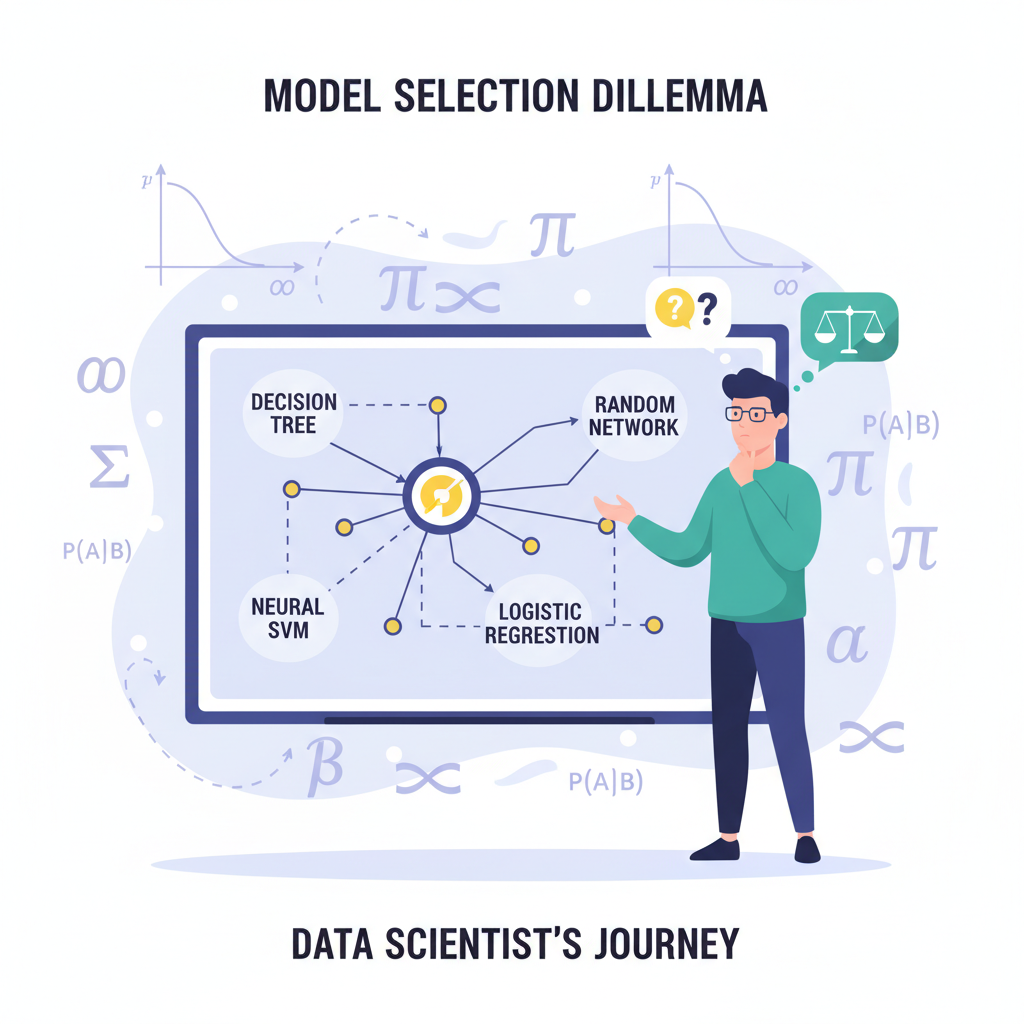
PSM vs. IPW: A Practical Guide to Choosing Your Causal Method
I read this advice in a great book on causal inference and it's a common point of confusion. Should you always prefer Inverse Probability Weighting (IPW) over Propensity Score Matching (PSM)?
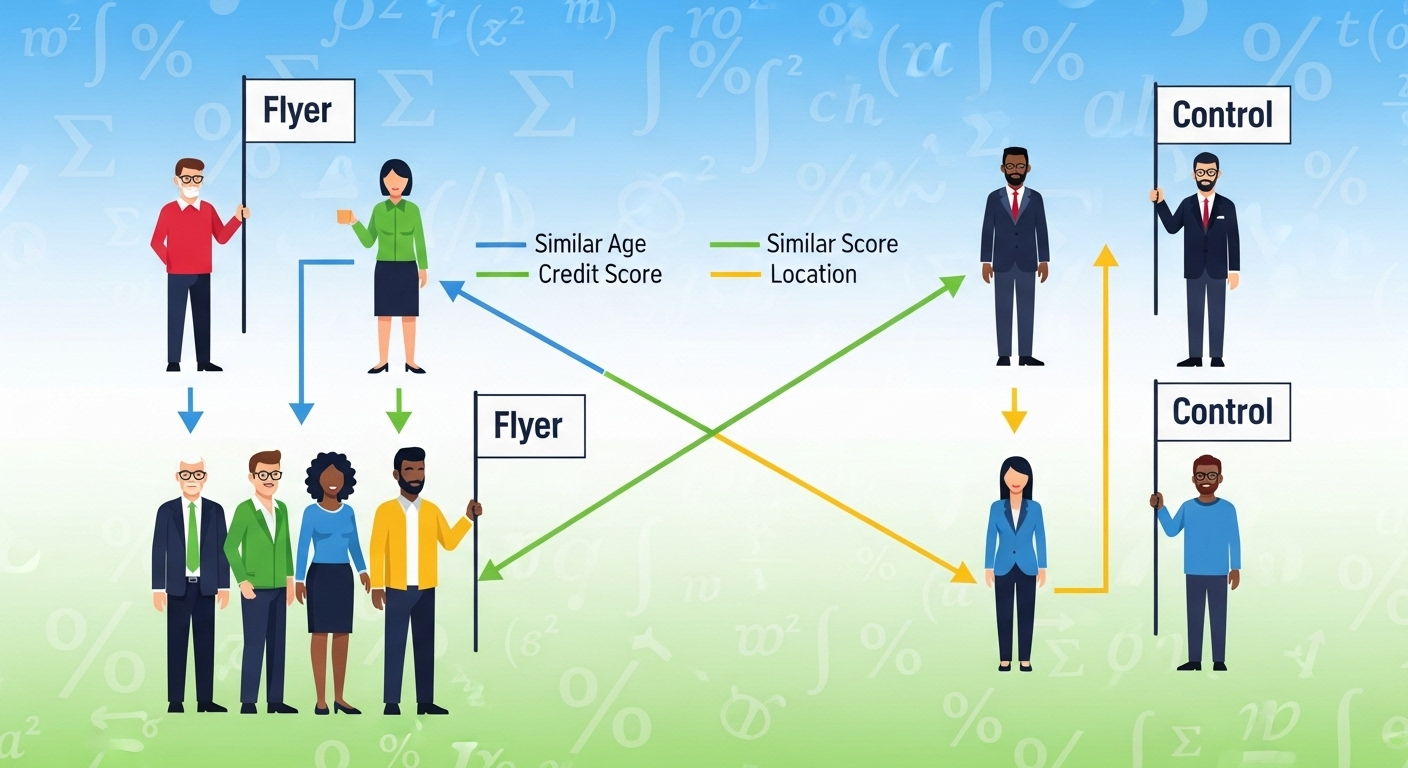
The Magic of Mimicking Randomization: An Intro to Propensity Score Matching
A/B tests are the ideal, but the real world is messy. So how do we find causal answers when we can't randomize? We use Propensity Score Matching (PSM) to create statistical 'twins'.
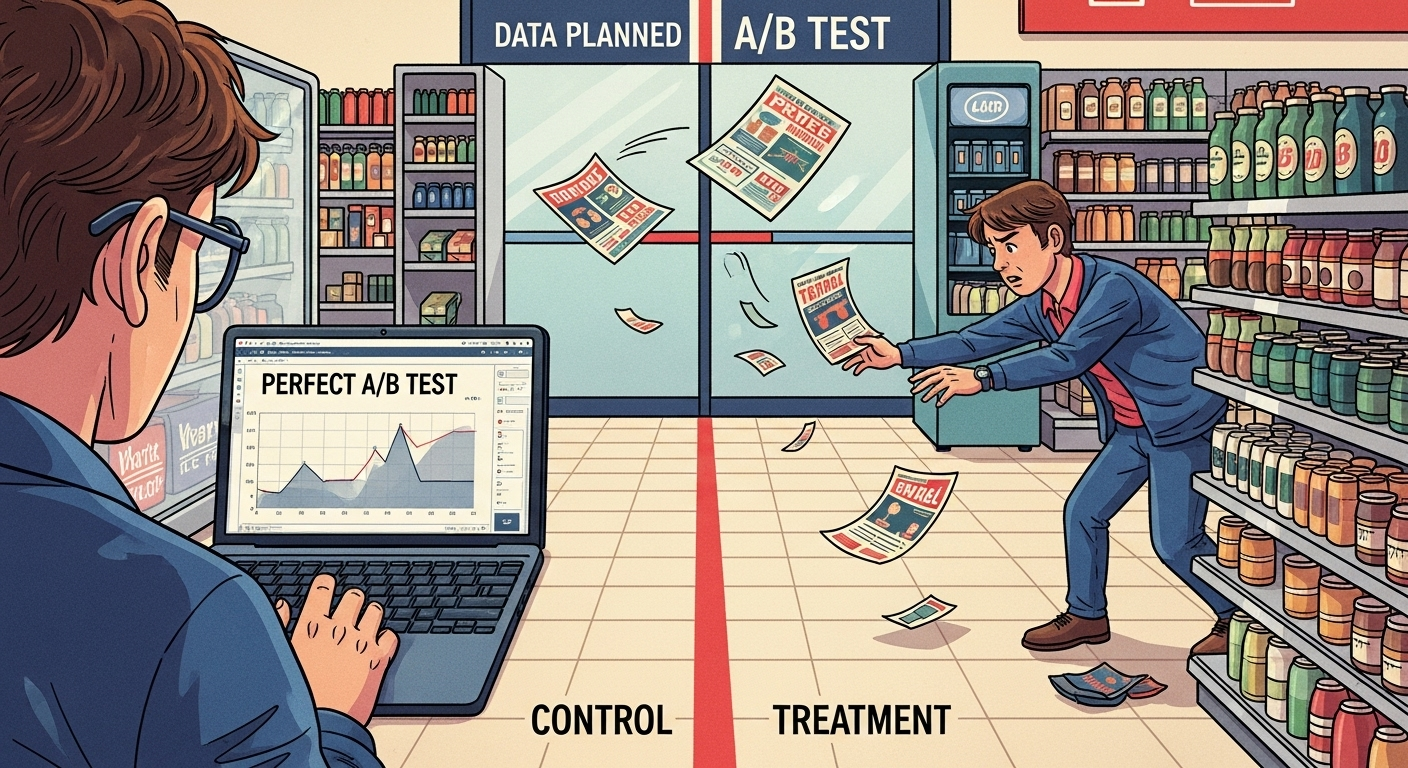
The Gold Standard: How AB Tests Work and When You Can't Use Them
We all know A/B tests are the best way to find causation. But in the real world of physical marketing, long-term metrics, and ethical constraints, they often fail.
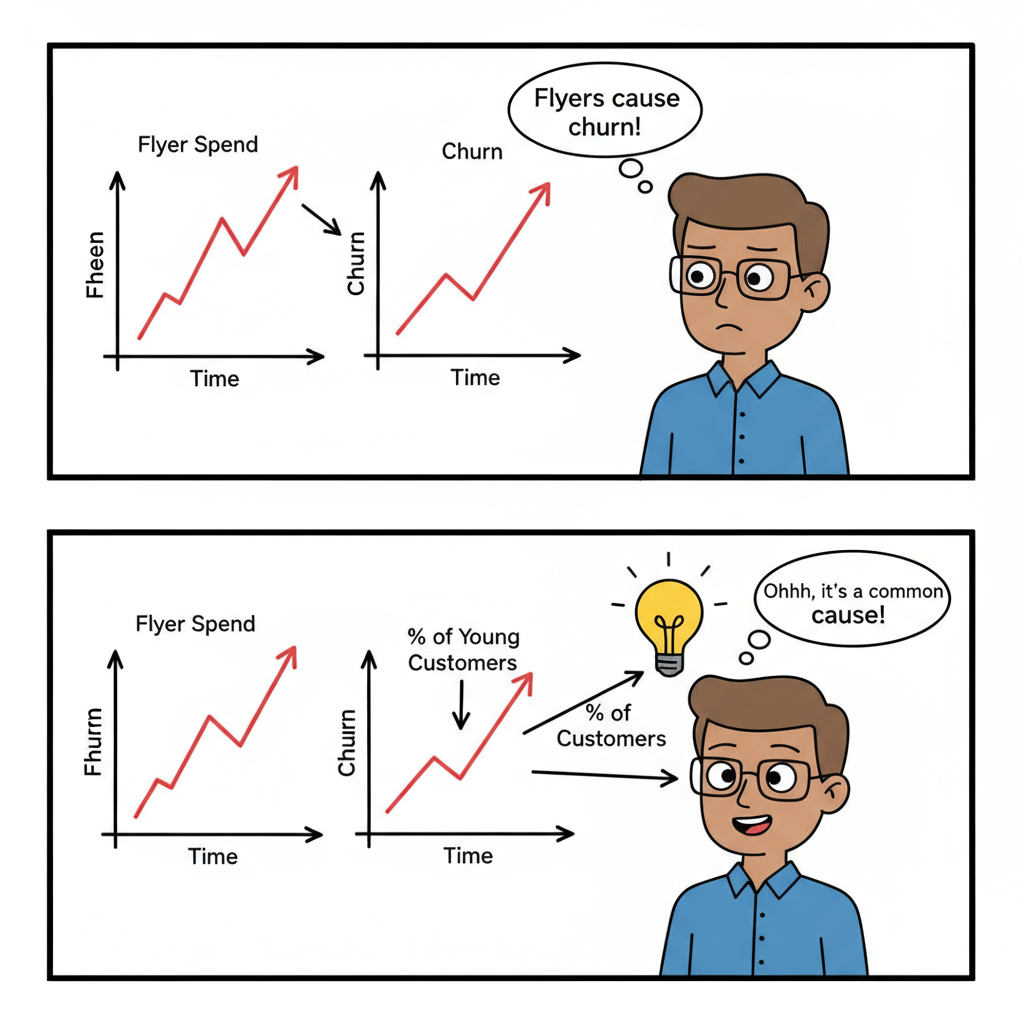
Beyond Correlation: Why Your Business Metrics Are Lying to You
Your business metrics are lying to you. That 'successful' campaign you just ran? It might have been a massive waste of money. Correlation is not causation. We all know this, but in the rush of business, we often forget it. We see two lines on a graph move together and we make a multi-million dollar decision. The cost? Wasted budget, misallocated resources, and poor strategic choices.